Denver Fence Permit & HOA Approval: The Real Timeline
· Local Guide
The Denver-area fence delay is almost never the city permit. It's the HOA Architectural Review Committee. Here's how the two clocks actually run.
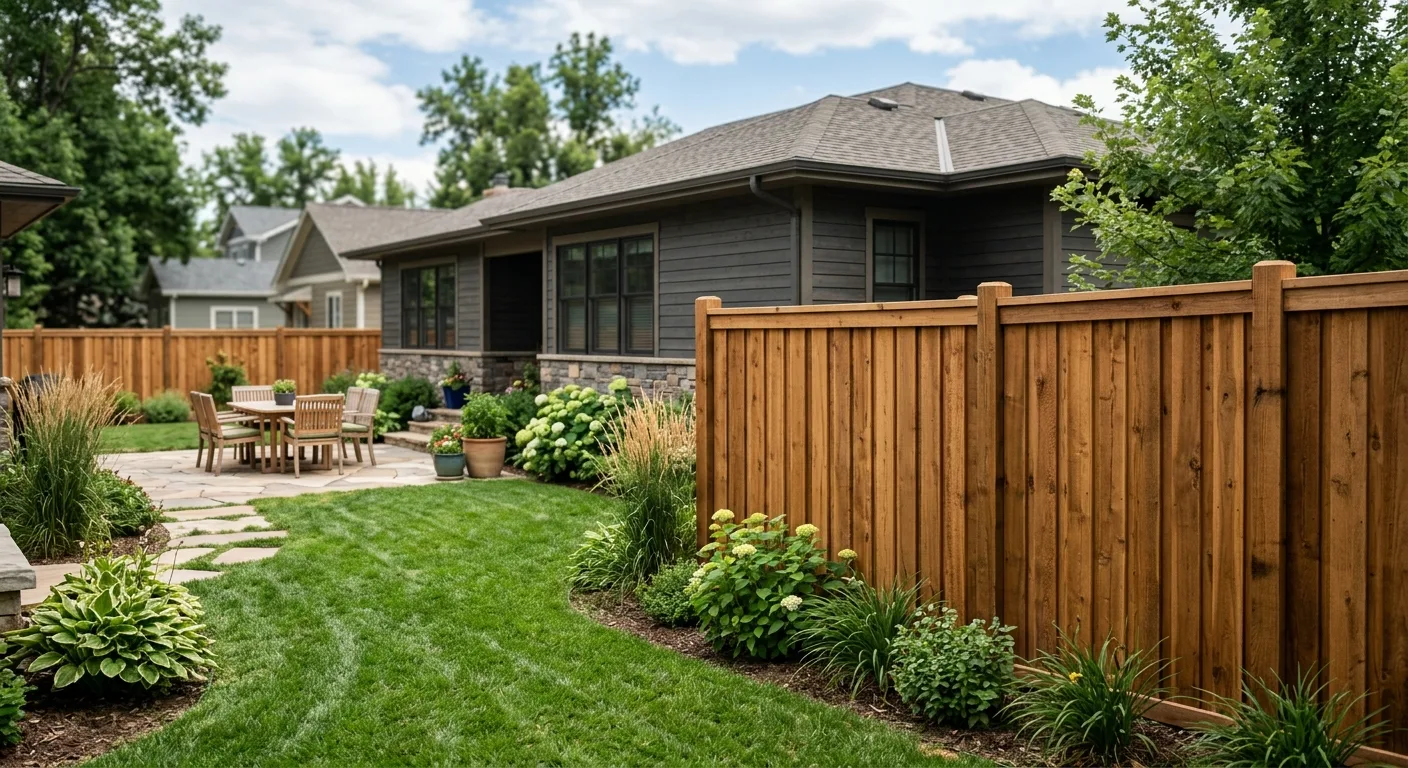
Ask most homeowners in the Denver metro what holds up a new fence and they'll say "the permit." After 15+ years building fences across Denver, Aurora, Lakewood, Thornton, Arvada, and Westminster, we've found the opposite is usually true. The city side is fast and predictable. The thing that stalls a job for weeks is the HOA Architectural Review Committee, and it runs on a completely separate clock that most people collapse into the permit timeline by mistake. This guide walks you through both, in the order they actually matter, so your fence isn't sitting behind a review you didn't know you needed.
We're J.A's Privacy and Perimeter, owned by Julian Lopez. We handle permits and ARC packages in-house for Denver-area neighborhoods, so you don't chase paperwork. Below is the same walkthrough we give homeowners on an estimate visit, with one hard rule up front: we won't quote you exact height numbers, fees, or approval day-counts for your specific address in an article, because those change by zone district and by HOA. We verify the current rule for your exact parcel before we set a post. What we can do here is show you how the process is shaped, so you know what questions to ask.
Do I Need a Permit for a Fence in Denver
Sometimes yes, often no, and the honest answer depends on three things: your fence height, where it sits on the lot, and whether your parcel touches an easement or a corner sight triangle. A standard residential fence built inside the allowed setbacks frequently does not need a building permit in the City of Denver, but go over height, sit on a corner lot, or cross a drainage or utility easement and that changes fast. Denver permits run through Denver Community Planning and Development. We confirm what your specific parcel requires before we break ground, because it's your fine if the fence goes up wrong, not the neighbor who told you "nobody pulls a permit for a fence."
<blockquote>The most expensive fence is the one an inspector makes you move six inches off an easement after it's already set in concrete.</blockquote>
Each suburb writes its own rules, too. What's true in Denver proper isn't automatically true in Lakewood or Thornton. This is exactly why "do I need a permit" is the wrong first question. The right first question is "what governs my lot," and for a large share of Denver-metro homes the answer includes an HOA.
Denver Fence Height Limits, and Why the Front Yard Is the Trap
Height rules in the metro follow a familiar shape: taller fences are allowed in rear and side yards, shorter fences in the front-yard setback, and corner lots carry extra sight-triangle restrictions so drivers can see the intersection. The exact allowance depends on your zone district and which yard the fence sits in, so we pull the current rule for your address rather than quoting a single number that may not apply to you. Here's the pattern we see trip people up, though.
The front yard is where homeowners get surprised. Folks measure their rear-yard height, assume the whole fence can match it, and design a continuous run that steps down to a lower limit the moment it enters the front setback. On a corner lot the sight triangle can pull that limit down even further near the intersection. We map the height zones on your actual lot during the estimate so the design respects each one, instead of finding out at inspection.
- Rear and side yards: the taller allowance, verified per zone district
- Front-yard setback: a lower limit that catches continuous fence runs
- Corner-lot sight triangles: extra height restrictions near the intersection
- Easements: a fence may be allowed but must stay removable or set back
If you want full visual privacy at the maximum legal height, that's a design conversation, not just a material one. Our HOA-compliant privacy fencing we handle end to end is built around getting the height right for each zone on the lot the first time.
How HOA Architectural Review Committee Fence Approval Works
This is the step that actually controls your start date. An HOA Architectural Review Committee, often called the ARC or ACC, reviews your proposed fence against the neighborhood's covenants: style, height, color, material, and sometimes even picket spacing and post-cap details. Approval is required before construction regardless of what the city permit says, and the two are not the same process. You can hold a valid city permit and still be blocked by an ARC that hasn't signed off. That gap is where most Denver-metro fence projects lose time.
<blockquote>Homeowners think there's one clock. There are two, and the HOA clock is the one that decides when we can start.</blockquote>
The ARC package is the part we prepare in-house. We assemble it the way Denver-area committees expect, spec by spec, so it doesn't come back with a request for more detail that resets the review. Neighborhoods like Highlands, Lowry, and Stapleton each run their own committees with their own approved palettes, and covenants in newer master-planned communities tend to be the strictest on color and material. We keep current spec sheets for 30+ Aurora HOAs so the design we submit already matches your community's approved options rather than guessing and getting kicked back.
See how we build HOA-approved privacy fences in Denver, ARC package included, from the first measurement to the final inspection.
Aurora Fence Permits and the ILC Requirement
Aurora deserves its own note because two things there catch people off guard. First, Aurora runs one of the faster online permit processes in the metro, so the city side is rarely the bottleneck. Second, Aurora commonly asks for an ILC, an Improvement Location Certificate, and it typically needs to be recent, within the last five years. An ILC is a survey document showing where structures and property lines sit on your lot, and if yours is older or missing, sourcing a current one can add time before a fence permit moves.
We flag the ILC question early on Aurora jobs precisely because it's the piece homeowners don't see coming. If you've bought the home recently you may already have one from closing; if you've been there a decade, you probably don't. Either way we tell you where you stand before the clock starts, not after. We handle fence installation across the Denver metro, and Aurora's mix of west-side clay and east-side sandy loam also shapes how deep we set posts, but that's the build, not the paperwork.
When You Don't Need Us for This Part
Here's the line a lot of contractors won't write. If you're replacing an existing fence on the same footprint, same height, same material, and your HOA has a like-for-like replacement provision, you may not need a fresh ARC submission at all, and possibly not a new permit either. Call your management company and ask before you pay anyone to prepare a package. We'd rather tell you that up front than bill you for paperwork you didn't need. When the project is a genuine change, new height, new style, new material, or a first fence on the lot, that's when the full permit-plus-ARC process earns its keep, and that's when having someone assemble it correctly the first time saves you weeks. That's the core of how we run a covenant-compliant fence installation or replacement in Denver, with the review packet handled before the crew is ever scheduled.
The Order That Keeps Your Fence On Schedule
The projects that start on time are the ones that run these steps in the right sequence instead of in parallel by accident. We line them up like this so nothing waits on something it should have preceded.
- Confirm what governs the lot. City jurisdiction plus HOA. This decides everything downstream, and it's a five-minute question we answer during the free on-site estimate.
- Verify height zones on your actual parcel. Rear, side, front setback, corner sight triangle, and any easements, mapped on the real lot rather than a generic rule.
- Assemble the ARC package first when an HOA governs. Style, height, color, and material to the committee's spec, because this clock is usually the longest.
- Pull the city permit when required. Often quick, especially in Aurora, and sourced against a current ILC where that's asked for.
- Set posts and build after both clocks clear. Posts in full concrete footings to frost depth, then panels, then inspection.
Approval timelines vary by HOA and by season, commonly a few weeks rather than a few days, which is exactly why we submit the ARC package early instead of waiting on the permit. Julian reviews the paperwork and measures every job in person. You get a straight answer on what your specific property needs and an honest timeline before anything is scheduled.
Frequently Asked Questions
How long does HOA fence approval take in the Denver area?
It varies by HOA and by season, but a few weeks is a realistic expectation rather than a few days, and it's almost always longer than the city permit. Because the Architectural Review Committee clock and the city permit clock run separately, the ARC review is usually what sets your true start date. Some communities publish a fixed review window; others meet on a schedule that can add time if you just missed a meeting. We prepare and submit the ARC package in-house, matched to your community's approved specs, so it's less likely to come back for revisions that reset the clock. The single best thing you can do to protect your timeline is get the HOA package moving before the permit, not after.
Do I need a permit and HOA approval, or just one?
Often both, and they're independent. A city permit through Denver Community Planning and Development (or your suburb's building department) covers the legal build: height, setbacks, easements. HOA Architectural Review Committee approval covers the covenant requirements: style, color, material, and neighborhood consistency. You can have one without the other, and a valid permit does not exempt you from ARC approval. If your lot is in an HOA neighborhood like Highlands, Lowry, or Stapleton, assume you need the ARC sign-off regardless of whether the city requires a permit for your specific fence. We check both for your exact address during the free estimate and tell you clearly which apply, so you're not chasing paperwork or discovering a missing step after concrete is poured.
Ready to sort out the permit and HOA side before you commit to a fence? Julian measures every job in person and prepares the ARC package and any required permit in-house. Request a free, no-obligation consultation through our <a href="/contact">contact page</a> and we'll come back with an honest timeline and the exact approvals your specific property needs.